 Gacha

Tilt Rips
Our score7.3/10
Packs from$0.10
Pokémon · Sports · One Piece
Pokémon, One Piece and sports packs, with instant sellback and optional delivery.
Compare pack-opening platforms and marketplaces. Find cards. Check prices. Understand grading. Make better collecting decisions.

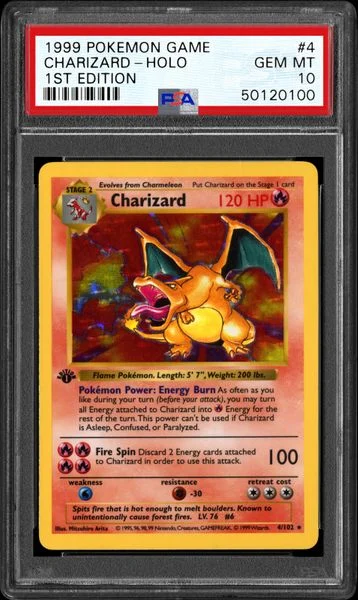
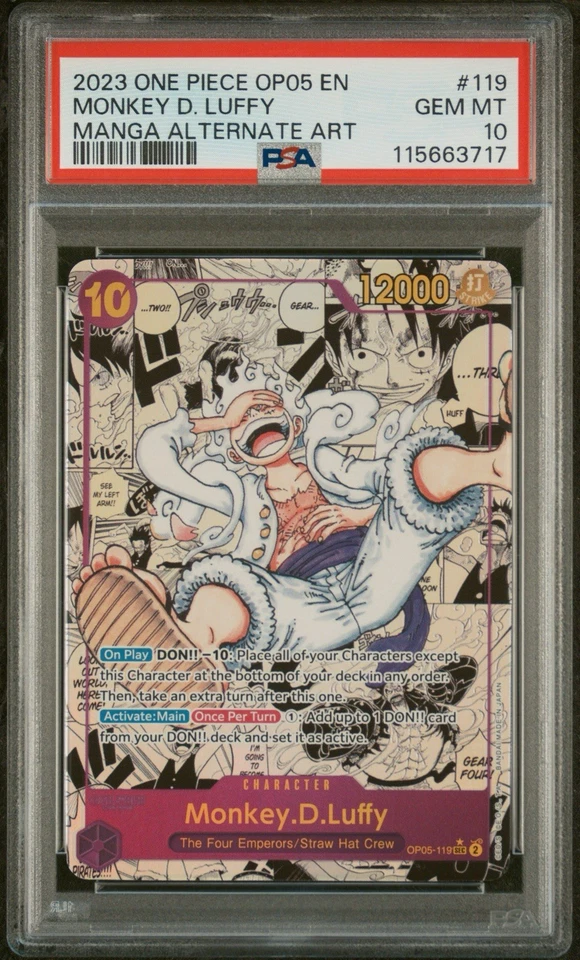

Compare the costs, features and our verdict before you open a pack.
Pokémon, One Piece and sports packs, with instant sellback and optional delivery.
PSA-graded cards, with storage in the PSA Vault and options to ship or sell.
Instant graded-card openings with a marketplace, vaulting and delivery.
Paid test · 14–16 October 2026
Tilt Rips gets a lot right. The pack openings are entertaining; they publish clear odds to help you understand what you’re buying, and selling unwanted cards back was quick and easy during our testing.
Pack spend includes reused buyback credits.
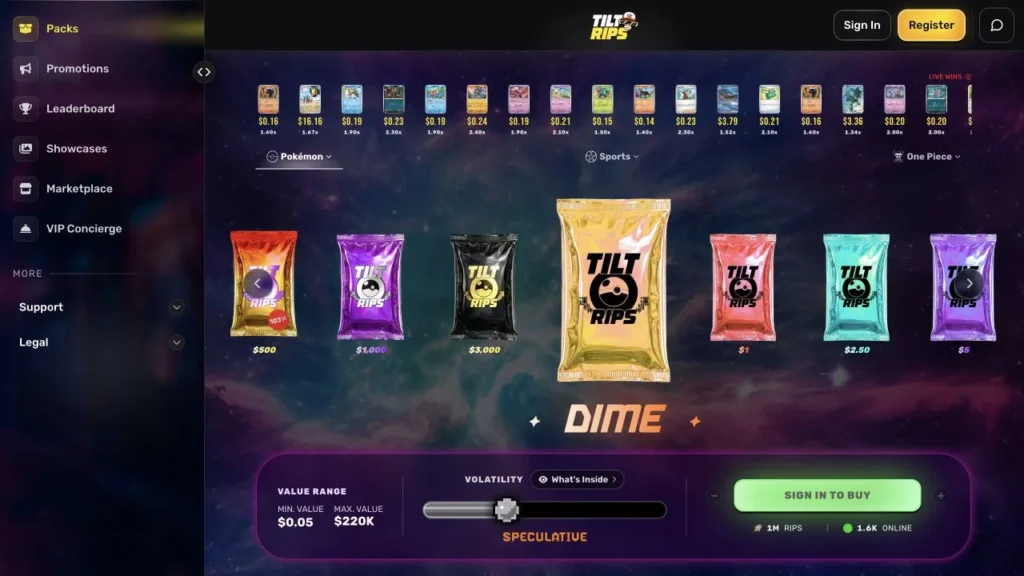
Opening a pack takes seconds, but deciding whether a platform selling them is any good is more complicated.
From instant rips and online oripa to livestream openings and shared card breaks, there are plenty of ways to open cards online. GachaMeister's OPEN helps you find platforms and sellers, compare how they work, and understand what you’re buying - and what happens to your cards afterwards.
Price · odds · product information
Ownership · custody · card value
Shipping · buybacks · withdrawals
Finding the card you want is one thing. Locating the right version, a seller who'll actually sell it to you, and the best way to get it into your hands - that's another.
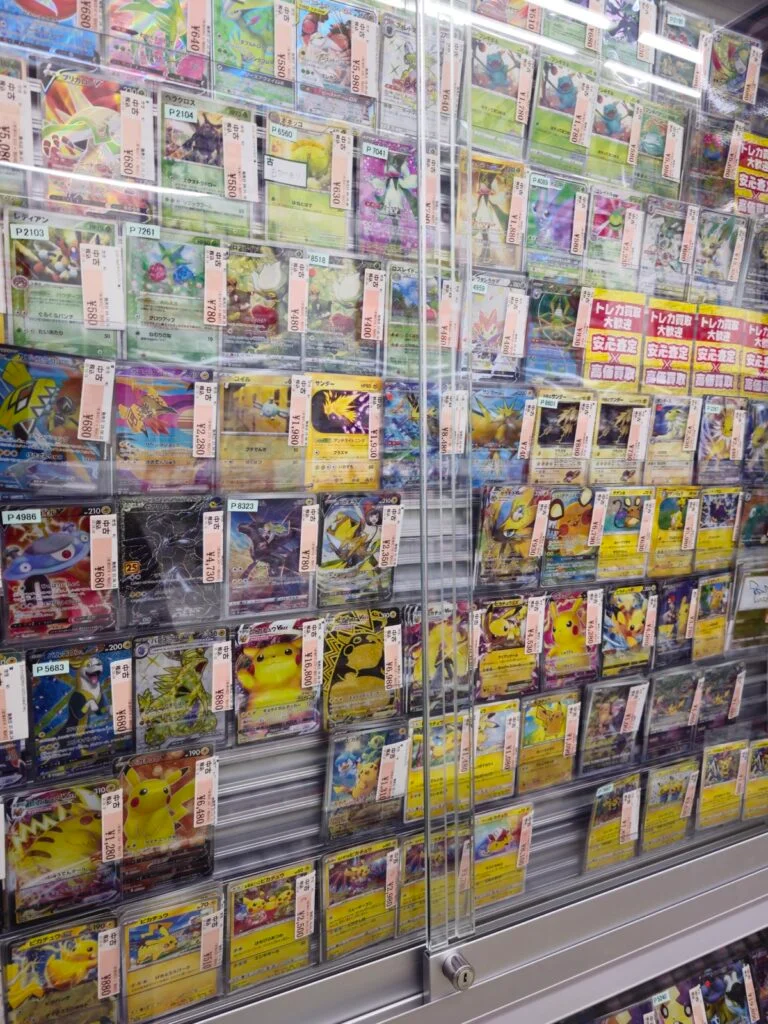
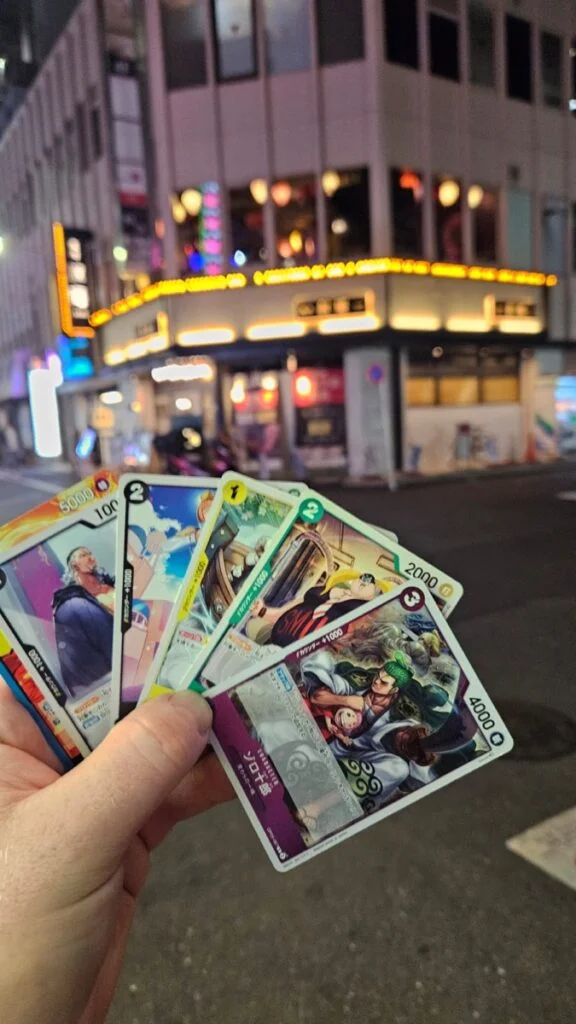
SOURCE covers card shops, sellers, marketplaces, proxy buyers, forwarding services and international sourcing.
English, Japanese, Chinese, Korean, and Indonesian-language Pokémon products can have different sets, promos, release schedules and availability.
So the useful question isn't "Which country is this from?"
It's "What am I looking for, where can I buy it - and what will it actually take to get it?"
A card that sells for US$100 doesn’t necessarily put $100 in your pocket. Marketplace fees, payment costs, shipping and buyback deductions can change what you actually receive.
GachaMeister’s PRICES coverage looks at sold-price data, platform valuations, buybacks and selling costs, with the context you need to compare them.
Compare what remains from a card sale after selling fees, payment costs and shipping.
Compare grading and shipping costs with the value a graded card would need to reach.
Estimate the total cost of buying and importing cards from Japan.
A useful comparison also needs the source, date, and the card’s condition or grade. Check whether the figure represents cash or credit, and which costs still need to come off.
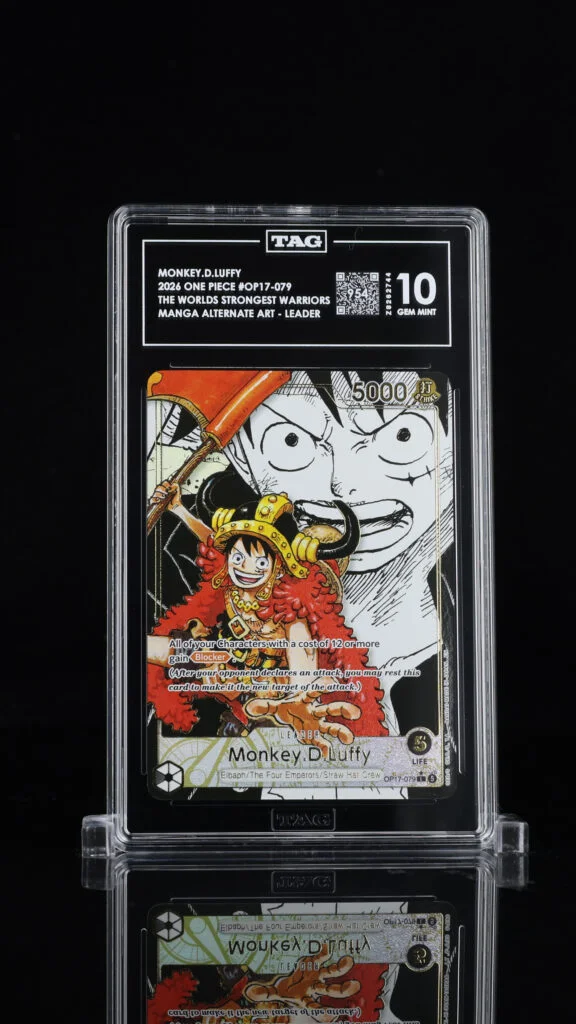
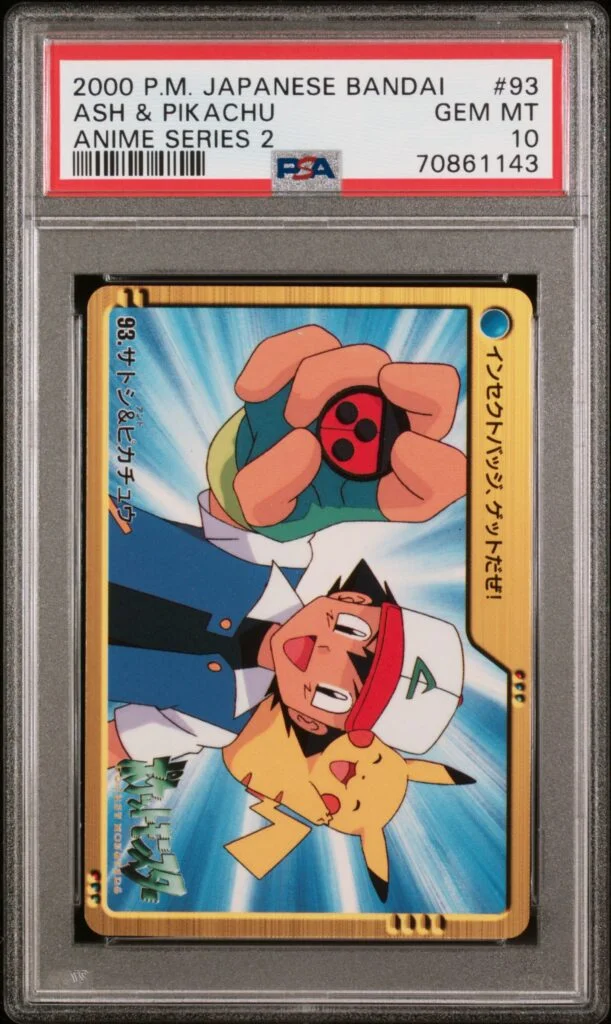
Grading companies like PSA, CGC, Beckett and other graders don’t offer exactly the same thing. They use different pricing models, different services, different turnaround times, different ways of submitting cards - and the grader that makes sense for one card can end up making very little sense for another.
Rather than saying one grading company is universally the “best”, GachaMeister keeps the current facts visible, so you can compare them yourself.
The turnaround times you'll see are what each grader publishes - not necessarily what we’ve personally experienced.
Grading isn't an automatic “yes”, even when it looks like a smart decision at first. Fees, shipping both ways, turnaround times, and the card's realistic post-grade value all decide whether it’s worthwhile or not - and sometimes, the honest answer is that a raw card should stay raw.
Other times, it may be worthwhile sending a card to one grading company, but not another - and that’s exactly what GachaMeister is designed to help you figure out.
GachaMeister started with online card-opening platforms, because there was surprisingly little independent information about what actually happened once you got past the pack-opening animation - but then we realised:
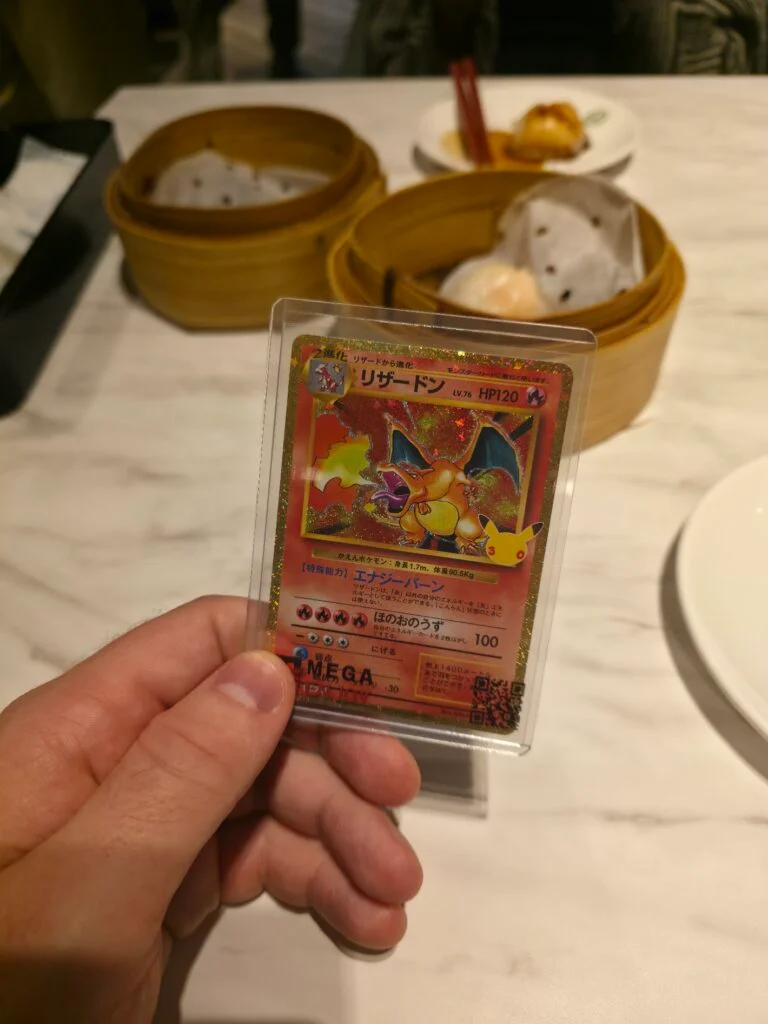
Collectors aren't just choosing where to open packs. They're buying from marketplaces and overseas sellers, comparing prices, working out fees, deciding whether a card is worth grading, and figuring out who they can actually trust with their cards and money.
We compare the information that's out there, check the claims that matter, and test things ourselves where we can.
That’s what GachaMeister is for.
Read how we review platforms, check information and handle commercial relationships.
A platform's website can tell us what should happen, but testing tells us what actually happened. Those aren’t the same thing. Research-based reviews can support scores and recommendations when the evidence is sufficient; first-hand testing adds evidence about what happened in our own experience.
Here's how GachaMeister reviews digital pack-opening sites, although the same core principles apply to pretty much every review you’ll see here, too:
Initial Research: Everything that can be verified without an account: who actually operates the platform, its terms, published fees, odds and product information, and what users are actually saying.
Evidence Collection: Official information, documented first-party tests, named statements, community reports, and unverified claims aren’t the same thing - so we don’t treat them as such. You should always be able to see exactly what a conclusion in our reviews is based on.
First-Hand, Real-Money Testing: Where a platform can be tested, we use it as a normal customer would: we register an account, spend real money, open products and, where available, test shipping, sellbacks and withdrawals - documenting what happens along the way.
Scores and Ratings: A full review scores across six core categories, from trust and a platform’s actual offering to what happens after the pull: shipping, buybacks, and withdrawals. Serious weaknesses in a core area can limit the overall rating, no matter how good the rest looks.
Monitoring and Updates: Nothing is ever fixed in the collectibles world, and online pack-opening is no different. Fees change, terms and conditions get updated, platforms offer different products, different odds, and so on. We review information when we find changes or when we’re made aware of them, and document major changes. Coverage and update timing depend on the evidence available.
A lot of collecting information gets repeated - even if untrue - so much that it can end up sounding like fact.
Here at GachaMeister, we’d rather know where all claims come from, if we’re not verifying them ourselves.
A company's own website tells us what that company says; a GachaMeister test tells us what happened when we tried something ourselves; a named source tells us what that person or organisation has told us; community reports can show what collectors are experiencing or discussing... and so on.
Yes, those are all useful forms of evidence, but they are not the same thing.
So, where it matters, GachaMeister tries to make the distinction clear.
If one order arrives successfully, that proves one order arrived successfully. It doesn't prove that every customer will have the same experience. If a company publishes a claim we haven’t been able to independently verify, we don’t silently turn it into something we observed ourselves. And if we genuinely don’t know something - we’d rather just say that.
GachaMeister may earn money through affiliate links and other commercial relationships. But that doesn’t mean a company has control over what we publish.
A commercial relationship can't buy a better score, remove legitimate criticism, change our conclusions, or stop us correcting something that's wrong. Organisations, platforms, and vendors also don’t need to pay GachaMeister - or even have an affiliate programme - for us to cover, compare, or recommend it.
Companies are more than welcome to send us updated information, evidence, factual corrections - or even let us know about the launch of a new platform.
That does not mean they get to choose the conclusion, however.

GachaMeister was founded by Alex Smith, a card collector with more than a decade of experience in online publishing, direct-response, and iGaming.
This site originally focused on online card-opening platforms, but the scope grew quickly - mainly because many of the same problems appeared everywhere else in collecting, too: difficulties sourcing products/cards, confusing fees, overseas buying, figuring out what something is actually worth - and claims that aren’t easy to verify.
GachaMeister isn’t here to tell you what to collect; we’re here to give you better information for making those decisions yourself.
Prices change, fees change, companies can change their policies, countries can adjust import taxes, and sources can conflict with one another. And, sometimes - GachaMeister can simply get something wrong.
If you spot anything on GachaMeister that looks incorrect or outdated, please get in touch with us and let us know. If possible, we’d appreciate it if you could send us the evidence showing why, too. We also welcome companies, platforms, vendors, and everyone else involved with the industry to do the same.